가을 오후, 서소문아파트
가을이라고 하기에는 햇살이 지나치게 따가웠다.
문화역서울284에서 디자인 전시를 보고 서대문역으로 걸어가는 길이었다. 큰길 양옆으로 늘어선 빌딩들이 오후의 햇빛을 받아 번쩍였다. 유리창에 반사된 빛이 눈앞으로 쏟아져 정면을 제대로 바라보기 어려웠다. 눈을 가늘게 뜨고 걸었다.
그러다 문득 서소문아파트가 떠올랐다.
여전히 그 자리에 있겠지?
분명 이 길 어딘가에 있을 텐데. 오래전부터 알고 있던 건물인데도 다시 만날 수 있을지 조금 설레고, 조금 불안했다.
도시는 늘 공사 중이다. 어느 날 가림막이 세워지고, 그 뒤에서 무언가 부서진다. 한동안 먼지가 날리던 자리에는 이전보다 높고 반듯한 건물이 들어선다. 익숙한 풍경은 그렇게 조금씩 반짝이는 상자들로 바뀌어 간다.
언제부터인지 오래된 장소를 찾아갈 때면 그곳이 아직 남아 있을지 먼저 생각하게 되었다.
눈부신 빛을 피해 고개를 조금 숙인 채 걷다가 다시 멀리 바라보았다. 빽빽하게 솟아 있던 빌딩들의 높이가 어느 지점부터 낮아지고 있었다. 그 사이로 주변과는 다른 색 하나가 희미하게 드러났다.
바랜 살색.
서소문아파트였다.
멀리서도 단번에 알아보았다. 반가웠다. 아직 그 자리에 있었다.
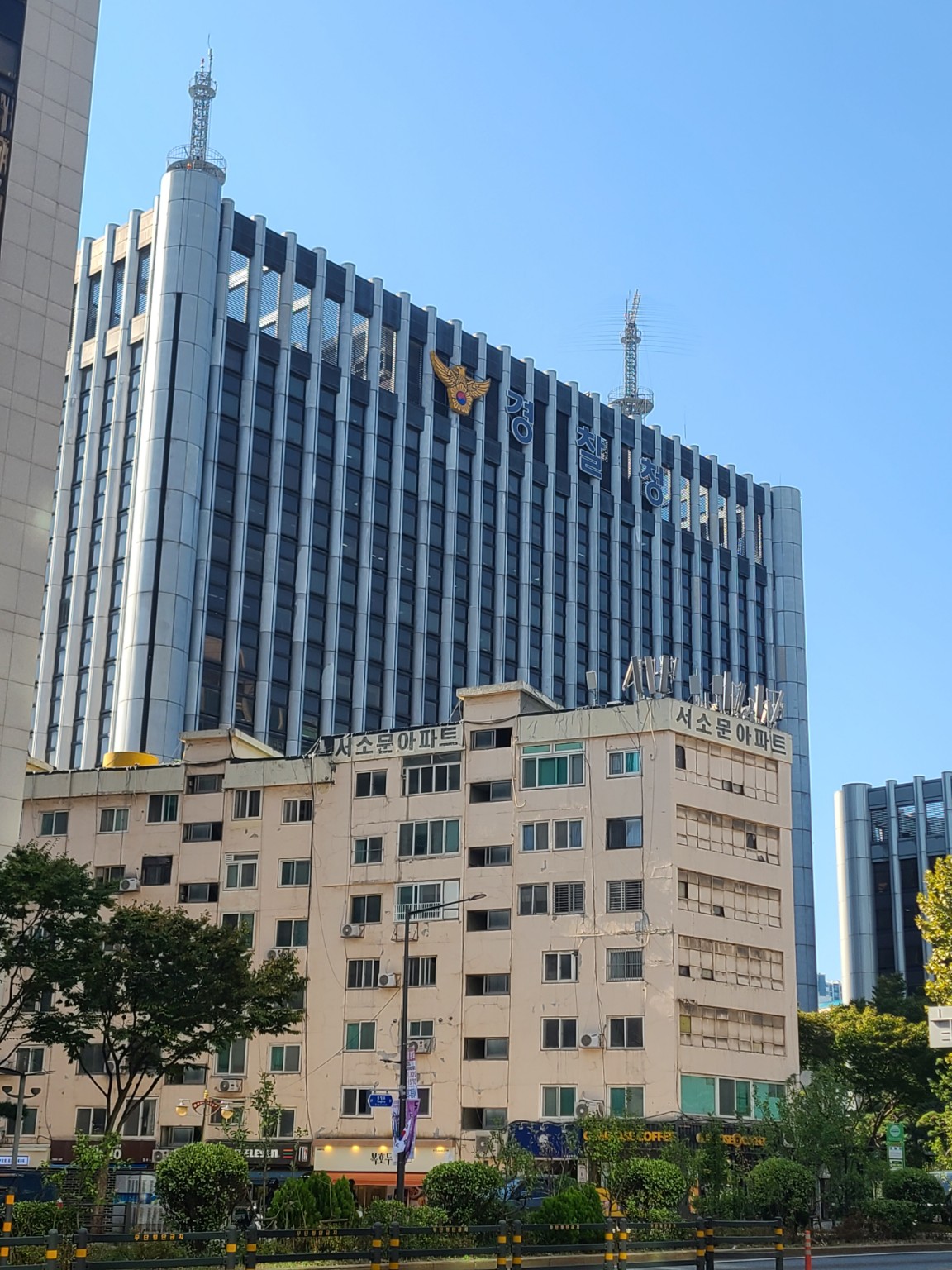
가까워질수록 건물의 모습이 달라졌다. 처음에는 길게 늘어선 아파트처럼 보였다. 몇 걸음 더 옮기자 건물의 끝이 조금씩 돌아가기 시작했다. 곧게 뻗은 줄 알았던 건물이 어느새 방향을 틀고 있었다. 걷는 위치에 따라 건물의 길이도, 깊이도 달라 보였다.
1972년에 지어진 서소문아파트는 한때 만초천이 흐르던 자리에 서 있다. 하천을 덮은 땅 위에 물길을 따라 길게 세워진 건물이다. 내가 걸음을 옮길 때마다 조금씩 모습을 달리하던 그 곡선은, 실은 오래전 이곳을 흐르던 물의 방향이었다. 이제는 보이지 않는 물길이 건물의 형태로 남아 있었다.
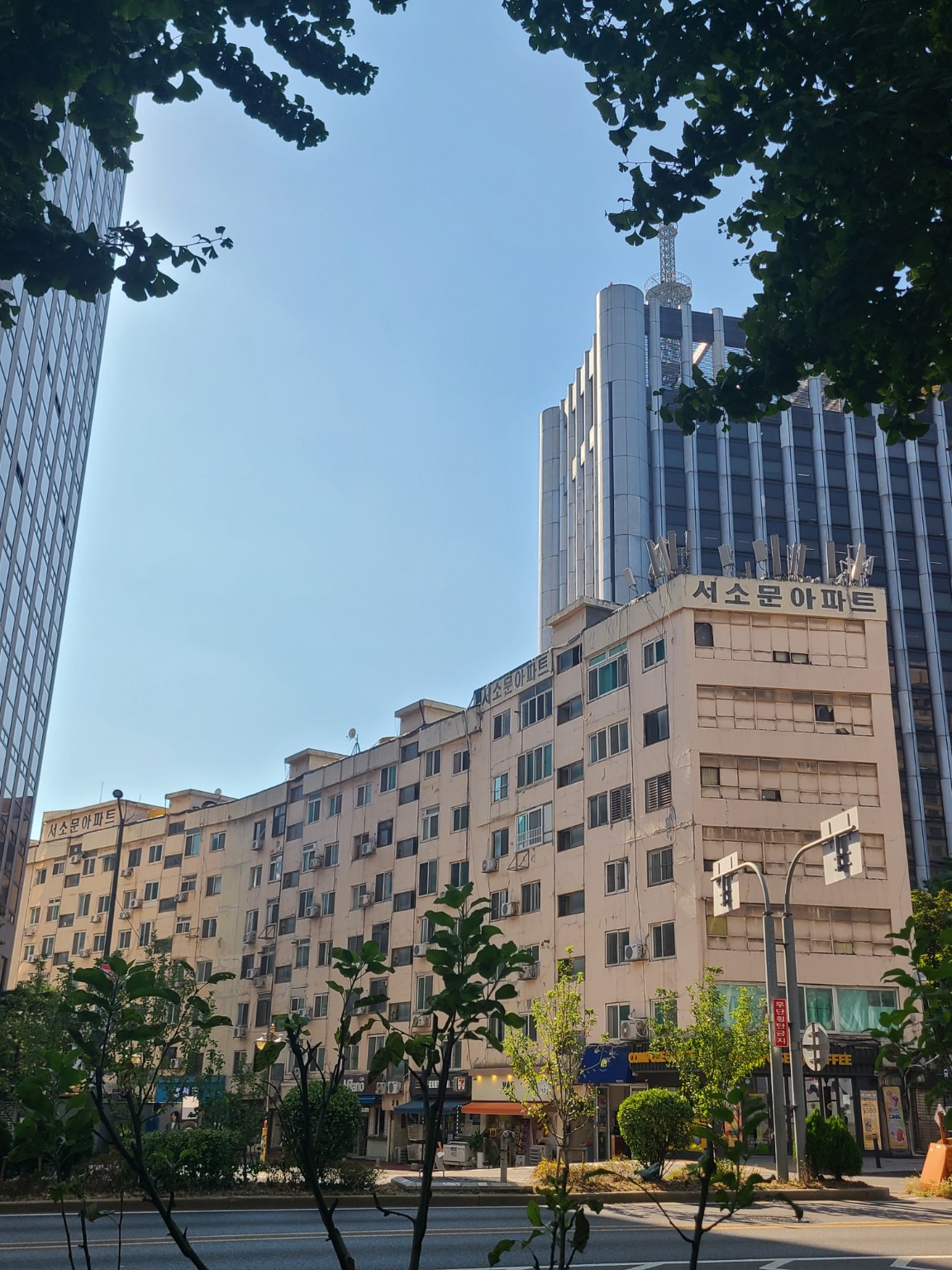
걸음을 늦추며 사진을 찍었다.
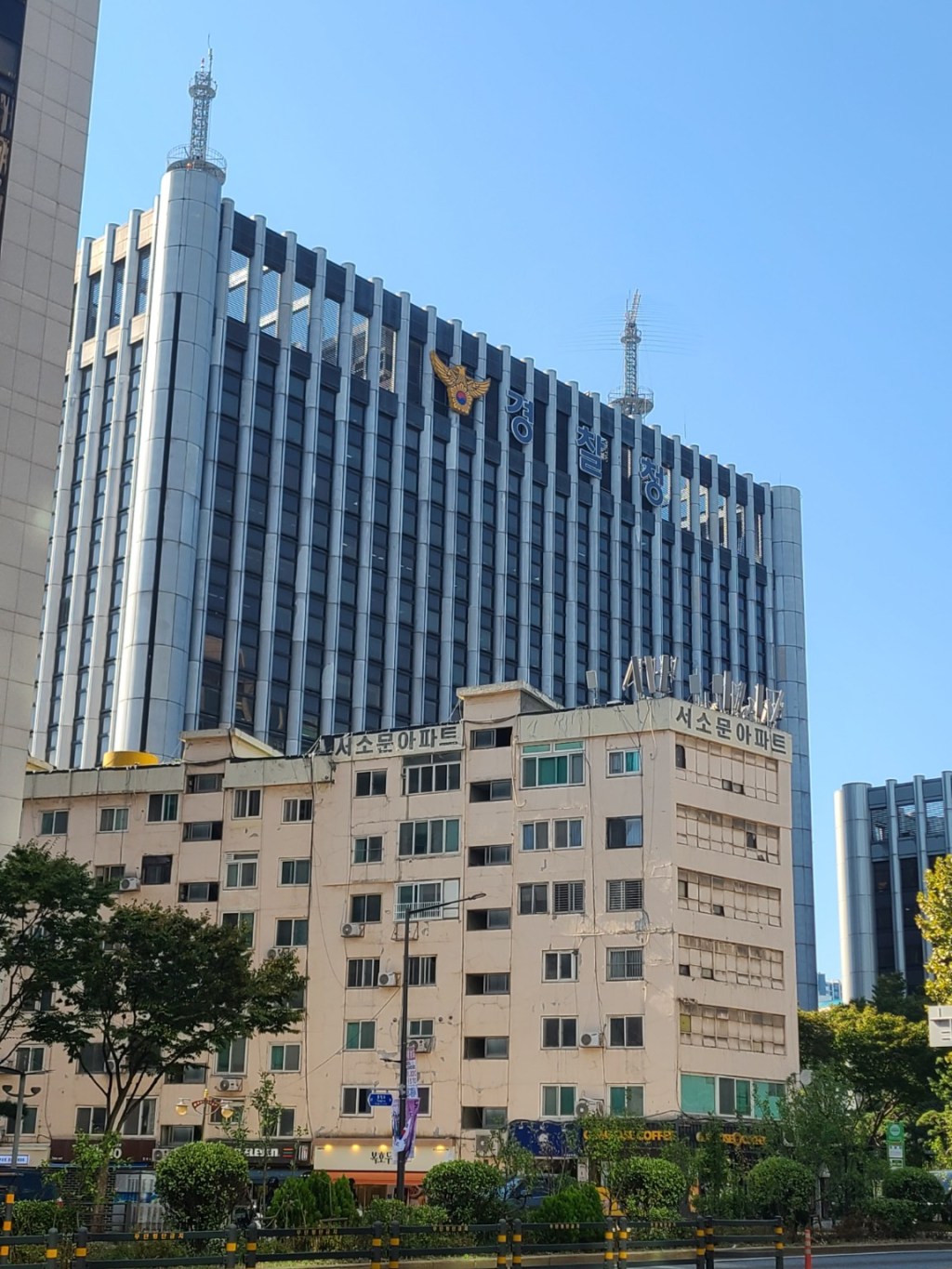
처음에는 뒤편의 경찰청 건물과 함께, 다음에는 길을 따라 휘어지는 모습을, 마지막에는 건물의 측면을 올려다보며 찍었다. 마지막 사진을 찍을 때는 태양이 지붕 바로 위에 있었다. 빛이 너무 강해 휴대전화 화면조차 제대로 보이지 않았다.
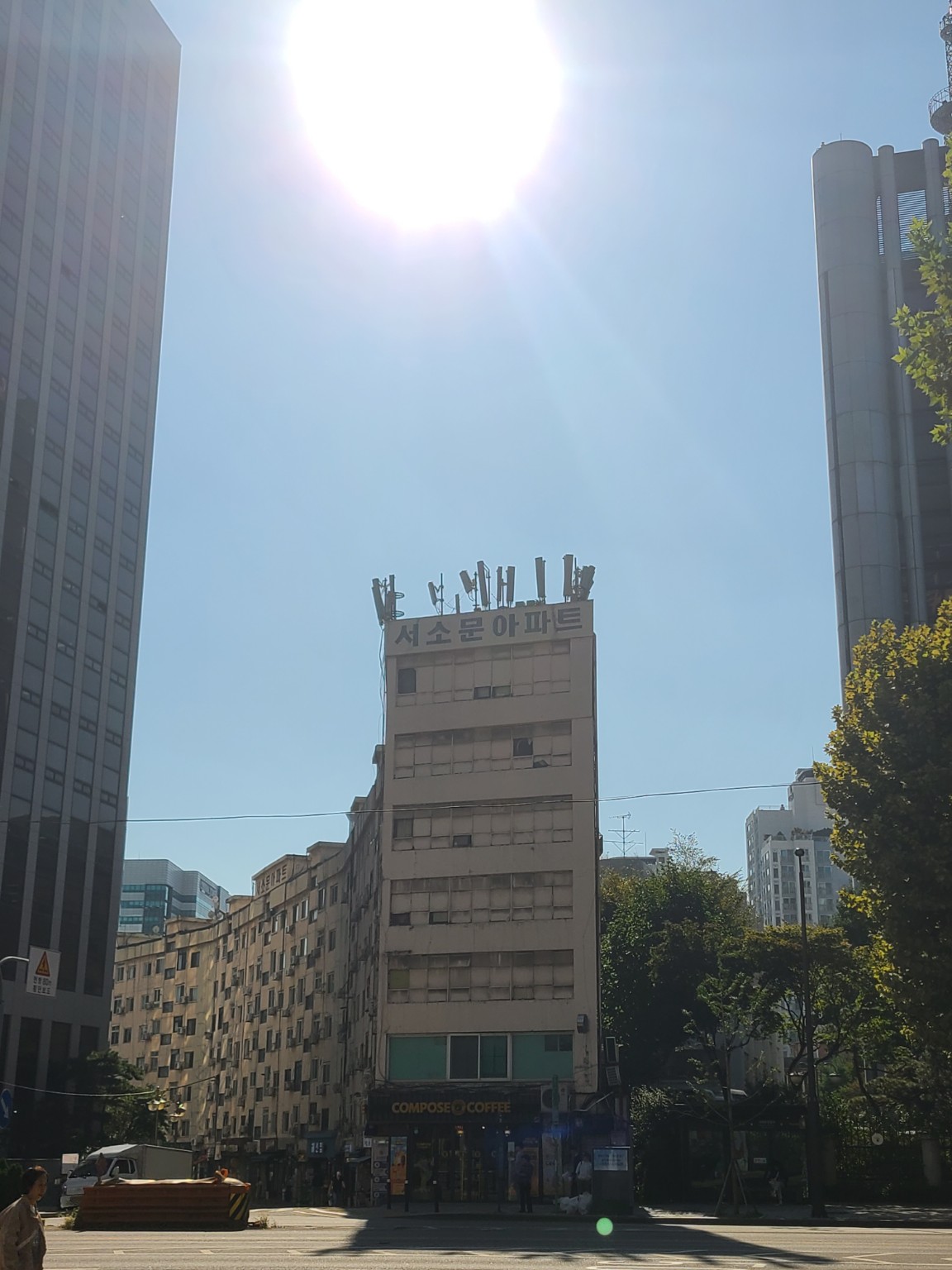
건물을 바라보다가 6년 전의 기억이 떠올랐다.
이곳 1층 카페에서 커피를 마신 적이 있었다. 그날 어떤 이야기를 나누었는지, 무슨 커피를 마셨는지는 기억나지 않는다. 다만 그곳에 앉아 잠시 시간을 보냈다는 사실만은 남아 있었다. 오늘 다시 마주한 건물 덕분에 잊고 있던 오후 하나가 돌아온 셈이었다.
이 아파트의 안쪽은 어떤 모습일까.
휘어진 복도를 따라 걸으면 그 곡선을 몸으로 느낄 수 있을까. 같은 건물 안에서도 집마다 창밖의 풍경이 조금씩 다를 것이다. 어떤 집에서는 큰길이, 또 다른 집에서는 맞은편 건물의 벽과 창문이 보일지도 모른다.
무엇보다 이곳에는 어떤 사람들이 살고 있을까.
사람에게 저마다의 인상이 있듯 건물에도 그런 것이 있다. 옷차림과 표정, 말투에서 누군가의 생활을 짐작하듯 나는 건물의 겉모습을 보고 그 안의 삶을 상상한다. 저렇게 길게 휘어진 아파트에서는 어떤 하루가 펼쳐질까. 같은 건물에 살면서도 서로 다른 방향으로 난 창을 바라보는 사람들. 그들이 매일 마주하는 풍경이 궁금했다.
물론 밖에서 바라보는 것만으로 그 안의 생활을 알 수는 없다. 그래서 언젠가 이 아파트의 복도를 걸어보고 싶다. 창밖의 풍경을 보고, 건물 안에서 느껴지는 시간도 궁금하다.
사진 세 장을 남기고 다시 서대문역을 향해 걸었다.
가을 햇살은 여전히 따가웠다. 빌딩들은 빛을 반사하며 반짝였고, 조금 전까지 눈앞에서 길게 휘어지던 아파트는 이제 내 뒤에 있었다.
햇빛 때문에 제대로 바라보기도 어려웠던 건물을, 나는 세 번이나 멈춰 서서 찍었다.
Will It Still Be There?
An autumn afternoon at Seosomun Apartment
It was an unusually harsh sun for an autumn afternoon.
I was walking toward Seodaemun Station after seeing a design exhibition at Culture Station Seoul 284. Office towers lining the wide road flashed in the afternoon light. Sunlight bounced off their glass façades and poured into my eyes. I could barely look straight ahead, so I walked squinting.
Then I thought of Seosomun Apartment.
Surely it’s still there?
I knew it had to be somewhere along this road. I had known the building for years, yet the thought of seeing it again brought a small thrill—and a little unease.
The city is always under construction. One day a fence goes up; behind it, something is torn down. Dust hangs in the air for a while, and then a taller, straighter building takes its place. Little by little, familiar streetscapes turn into gleaming boxes.
At some point, whenever I went looking for an old place, I began to wonder first whether it was still there.
I kept my head lowered against the glare, then looked up into the distance. The tightly packed towers began to step down in height. Between them, a faint patch of color emerged, unlike anything around it.
Faded peach.
It was Seosomun Apartment.
I recognized it at once, even from afar. I was glad. It was still there.
As I drew closer, the building seemed to change shape. At first it looked like an ordinary long apartment block. A few steps later, its far end began to turn. What I had taken for a straight building was bending away. Its length and depth shifted with every change in where I stood.
Built in 1972, Seosomun Apartment stands where the Manchocheon Stream once flowed. The building was constructed along the course of the stream after it was covered over. The curve that seemed to change as I walked was, in fact, the direction water had once taken through this place. A vanished waterway remained in the shape of a building.
I slowed down to take photographs.
First I photographed it with the police headquarters behind it, then the curve unfolding along the road, and finally its side, looking upward. By the last photograph, the sun was directly above the roof. The light was so fierce I could hardly see my phone screen.
Looking at the building, I remembered something from six years ago.
I had once had coffee at a café on its ground floor. I no longer remembered what we talked about that day or what coffee I ordered. But I remembered sitting there for a while. Seeing the building again had returned a forgotten afternoon to me.
What might it be like inside?
If I walked down its curved corridor, would I feel the bend in my body? Even within the same building, each home must have a slightly different view. Some windows might face the broad road; others, the walls and windows of the buildings opposite.
More than anything, I wondered who lived here.
Just as people have their own distinct presence, buildings do too. We make guesses about someone’s life from their clothes, expressions, and manner of speaking. In much the same way, I find myself imagining the lives inside a building from its exterior. What kind of ordinary day unfolds in an apartment block that bends for so long? People living under the same roof, looking out through windows facing different directions. I wanted to know the views they woke up to each day.
Of course, looking from outside tells me little about life within. Perhaps that is why I want to walk its corridors someday, see the views from its windows, and feel what time is like inside.
After taking three photographs, I continued toward Seodaemun Station.
The autumn sun was still sharp. The towers still glittered in reflected light, and the apartment building that had slowly curved across my view was now behind me.
I had stopped three times to photograph a building I could barely look at in the glare.


댓글 남기기